
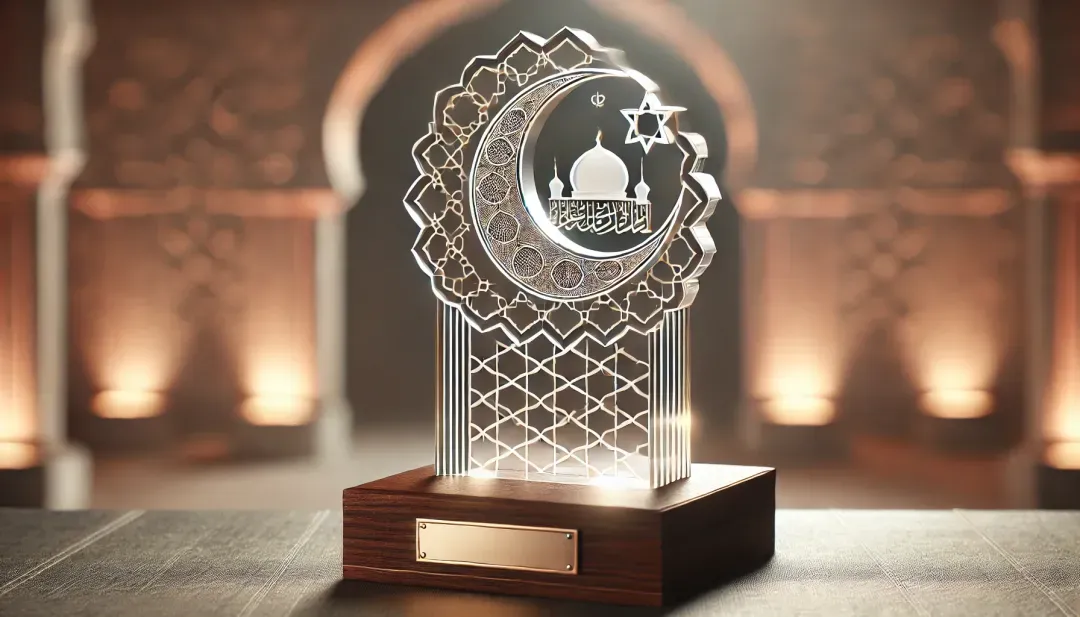
Ramadan 2025 Trophies: Celebrating Achievements and Traditions
As the crescent moon ascends in the night sky, signalling the commencement of Ramadan 2025, the Islamic world prepares to embrace not only a month of spiritual introspection but also a period rich in tradition and communal celebration. Ramadan, observed fervently by millions globally, transcends the mere act of fasting; it’s a time infused with deep cultural significance, fostering community spirit and personal growth.
In this sacred month, the act of giving and receiving trophies transcends conventional recognition. These awards symbolise the appreciation of personal achievements, community service, and spiritual commitment. Trophies awarded during the holy month become embodiments of respect and honour, blending cultural heritage with contemporary accolades. This article delves into the significance of trophy design at this time; particularly focusing on the amalgamation of modern trends with traditional Islamic elements to craft elegant trophies for Ramadan 2025. Join us as we highlight how these trophies can serve as meaningful symbols, resonating with the very traditions, values and essence of Ramadan itself.
The Essence of Ramadan and the Role of Trophies
Ramadan is a period steeped in profound religious significance. It’s a time for Muslims around the world to engage in fasting, prayer, and reflection, following the teachings of the Quran. This month offers an opportunity for spiritual purification and self-reflection, fostering a sense of empathy and solidarity with those less fortunate. The essence of Ramadan goes beyond the physical act of fasting; it’s an inward journey towards spiritual enlightenment and a time for strengthening community bonds.
Trophies and awards during Ramadan acquire a special significance in this context. They are not just artefacts of recognition but deeply symbolic tokens that appreciate individuals’ adherence to the virtues of Ramadan. In communities and organisations, trophies are often presented to those who exemplify the true spirit of the month – be it through acts of charity, exemplary conduct, or contributing positively to community life. These awards serve as a tangible acknowledgement of the values Ramadan reflects: patience, humility, and compassion.
Incorporating Islamic art and cultural motifs, these trophies do more than acknowledge achievement; they reflect a rich heritage. The intricate designs often found on these trophies draw inspiration from Islamic geometric patterns, calligraphy, and architecture, symbolising the blend of artistry and spirituality that is central to Islamic culture. The design of each trophy, therefore, is not just an exercise in aesthetics but a thoughtful representation of the values and traditions of Ramadan.
The act of awarding these trophies during Ramadan carries with it a message of recognition, encouragement and inspiration. It is a way to commend those who have made significant contributions to their communities, motivating others to follow suit. In essence, Ramadan trophies are not mere objects; they are a celebration of the values that the holy month upholds and a testament to the enduring impact of individual contributions to the betterment of society.
Design Elements of Ramadan Trophies
The creation of Ramadan trophies is a fusion of artistic expression and cultural heritage, where the intricate motifs of Islamic art meet the sleek lines of modern design. At the heart of Islamic art are geometric patterns, arabesques, and calligraphy; each embodying profound symbolic meanings, deeply rooted in Islamic culture. These elements are not mere adornments; they reflect a millennia-old tradition of artistry that celebrates the divine.
Geometric patterns, characterised by their complex, repetitive motifs, are emblematic of the infinite nature of the universe, symbolising the unbounded creativity of Allah. Incorporating these patterns into Ramadan trophies is not only aesthetically pleasing but also imbues them with a sense of continuity and timelessness. The interplay of shapes and forms creates a mesmerising effect, turning each trophy into a microcosm of the cosmic order.
Calligraphy, the art of decorative handwritten lettering, is another central element in Islamic art, often used to adorn Ramadan trophies. With its elegant curves and fluidity, it adds a touch of grace to the trophies. Verses from the Quran, rendered in beautiful script, infuse the trophies with spiritual significance, making them not just awards but also carriers of religious messages and blessings. This integration of calligraphy transforms the trophies into cherished keepsakes, valued both for their beauty and their spiritual resonance.
Material choice is crucial in trophy design, with traditional materials like wood and metal being favoured for their timeless appeal and durability. Metals like brass and silver, either polished to a high shine or treated to achieve an aged patina, lend a sense of gravitas and permanence to the trophies.
Wood, with its natural warmth and texture, provides a tactile contrast to the coolness of metal, offering a canvas for intricate carvings or inlays.
The craftsmanship involved in creating Ramadan trophies is a testament to the skill and artistic vision of the makers. The process of integrating various design elements — be it carving intricate patterns, etching calligraphy, or moulding materials — is meticulous and requires a deep understanding of both traditional Islamic art and contemporary design principles. This blend of artistry and craftsmanship ensures that each trophy is not just an award but a meaningful symbol of achievement and cultural identity.
